
Dove Hunting Tips for Beginners: How to Get Started
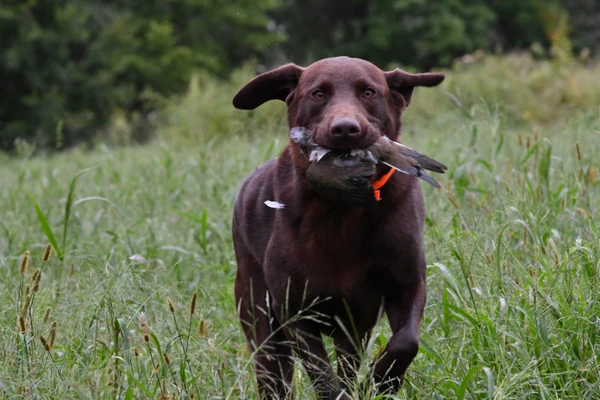
Dove hunting is one of the best ways to kick off hunting season. It does not require a mountain of gear, the days in the field can be social, and there is plenty of action to keep you on your toes. For someone new to hunting, dove hunting can also be a great introduction to wing shooting.
If you are getting ready for your first dove season, a little preparation can go a long way. Here are some tips to help you have a safer, more enjoyable, and more successful hunt.
Know the Regulations Before You Go
- Before heading to the field, make sure you understand your state’s current dove hunting regulations. Season dates, shooting hours, daily bag limits, legal shooting methods, and licensing requirements can vary.
- Take the time to check the regulations for the specific area you plan to hunt. It is also important to understand the rules surrounding retrieving downed birds and where you are legally allowed to hunt.
Find the Right Field
- Doves spend a lot of time moving between food, water, and roosting areas. Agricultural fields, sunflower fields, wheat fields, and areas near reliable water can all be productive.
- Pay attention to where birds are flying before you set up. If you see doves consistently following the same flight path, positioning yourself along that route can put you in a much better spot than simply sitting in the middle of a field.
Keep Your Setup Simple
- You do not need a truckload of equipment to hunt doves.
- A shotgun, appropriate ammunition, camouflage or neutral-colored clothing, eye and ear protection, a seat, water, and a way to carry your birds will cover most of the basics.
- A comfortable seat is especially useful because you may spend a lot of time waiting for birds to fly within range.
Practice Your Shooting
- Doves are small, fast-moving targets, and they can change direction quickly. That makes them challenging even for experienced hunters.
- If you are new to wingshooting, spend some time at a sporting clays or skeet range before the season. Focus on mounting the shotgun consistently, keeping your eyes on the bird, and developing a smooth swing.
- You do not have to be perfect. The goal is to become comfortable with your shotgun so you can concentrate on the bird instead of your equipment.
Pay Attention to Your Shooting Distance
- One of the biggest mistakes new dove hunters make is shooting at birds that are too far away.
- It can be tempting to take a shot as soon as you see a dove, but waiting until the bird is within a reasonable range will give you a much better chance of making a clean shot.
- Knowing when to pass on a bird is just as important as knowing when to pull the trigger.
Be Safe in the Field
- Dove hunting often means sharing a field with several other hunters, so firearm safety is extremely important.
- Always know where the other hunters are positioned and be aware of what is beyond your target. Never shoot at a low-flying bird if doing so could put another person in danger.
- Keep your muzzle pointed in a safe direction, treat every firearm as if it is loaded, and follow all firearm safety rules throughout the hunt.
Bring Plenty of Water
- Early dove seasons can be hot, and sitting in the sun for several hours can take a toll.
- Bring more water than you think you will need, dress appropriately for the weather, and take breaks when necessary. A comfortable hunter is going to have a much better day in the field.
Keep Track of Your Birds
- Doves can be surprisingly difficult to see after they hit the ground, especially in tall grass or thick vegetation.
- Mark where each bird falls and retrieve it as soon as it is safe to do so. A good bird dog can be incredibly helpful, but you do not need a dog to have a successful hunt.
- The important thing is making every reasonable effort to recover the birds you harvest.
Take Care of the Meat
- Once you have birds in hand, keep them cool and process them as soon as practical.
- Dove breasts are small, but they are packed with flavor. They can be grilled, wrapped in bacon, marinated, or incorporated into a variety of wild game recipes.
- Learning how to properly handle and prepare your harvest is one of the most rewarding parts of hunting.
Enjoy the Experience
- Your first dove hunt may not be your most successful hunt, and that is okay.
- There is a lot to learn when you are getting started. Pay attention to where the birds are flying, watch more experienced hunters, practice your shooting, and learn from every hunt.
- Most importantly, enjoy the time outside. Dove hunting is about more than filling a limit. It is about getting in the field, spending time with friends and family, and taking part in a tradition that has been passed down for generations.
- The more time you spend in the field, the more you will learn—and before long, you will be the experienced hunter helping someone else get ready for their first dove hunt.
Recent Posts

Easy Venison Tater Tot Casserole
This is the kind of hearty, cozy hotdish that belongs on the weekly rotation. Inspired by the Midwes...

Easy Ground Venison Alfredo
If you have ground venison in the freezer, this is an easy way to turn it into a hearty weeknight di...
Dove Hunting Tips for Beginners: How to Get Started
Dove hunting is one of the best ways to kick off hunting season. It does not require a mountain of g...
Save Money and Get More From Every Harvest by Processing Your Own Wild Game
Every hunter knows the feeling of filling a tag. But once the excitement wears off, another question...
Scout Early, Fill the Freezer Sooner
Every successful deer season starts long before opening day. While some hunters wait until the night...
Is the .45-70 Too Much Gun for Whitetails?
Ask a group of hunters whether the .45-70 Government is overkill for whitetails, and you’ll probably...